
When help is needed in rural communities, volunteer first responders show up before funding, forms, or recognition ever arrive. It rarely arrives wrapped in certainty. There are no instructions, no reassurances, and no guarantees that the situation will unfold cleanly. Support shows up quietly, sometimes awkwardly, often tired, and almost always before anyone has time to asks who is responsible.
When help is needed, someone answers the call.
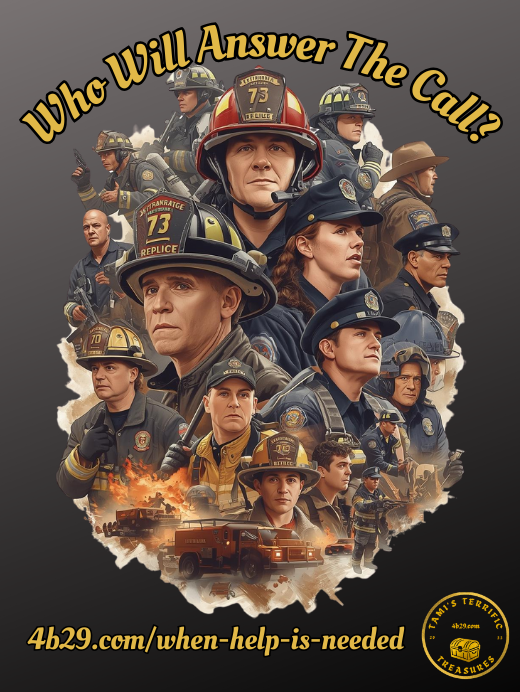
- It shows up in the dark
- It shows up in bad weather
It shows up even when nobody knows exactly what to do next. And definitely before emergency funding is a whisper on the wind.
- Someone hears a siren.
- Someone feels the phone vibrate.
- Someone pulls on boots without tying them tight.
That moment matters more than most people realize. Because once help shows up, fear finally has something solid to lean against.
The Call That Interrupts Everything
There is a certain sound that changes a household. A siren drifting across open land. A radio crackling to life. A phone ringing at the wrong hour. In small towns, that sound does not belong to one person. It belongs to everyone who understands what it means.
Volunteer first responders step away from jobs that do not pause. They leave dinner tables with meals half-eaten. They kiss foreheads, promise to be careful, and head out knowing careful is not always enough.
- Training happens after long workdays.
- Meetings happen late at night.
- Equipment gets fixed with patience, borrowed parts, and ingenuity.
These men and women know the roads that were never straightened and the curves that ice over first. They know which driveways flood and which families live alone. Community readiness is built on this kind of familiarity, not paperwork.
- This is not heroism done for applause.
- It is responsibility born from proximity.
- Service like this does not feel optional. It feels inevitable.
Service That Follows You Home
For many veterans, service does not end when the uniform comes off. It blends into everyday life so seamlessly that others forget it is happening at all.
- They show up early and stay late.
- They notice things others miss.
They step into roles as volunteer first responders, local law enforcement, or quiet pillars of community support.
- They fix what breaks.
- They listen when words are heavy.
- They understand what it means to carry responsibility without ceremony.
In rural communities, veteran support often exists between the lines. It shows up in rides offered, repairs made, and meals left on doorsteps without notes. No one keeps score. No one expects recognition. The help is given because it is needed. Even those who serve so often need support themselves.
The Places That Catch People Mid-Fall
Not every emergency announces itself loudly. Some arrive slowly. Some arrive with fear. Others arrive after someone has decided they cannot stay one more night.
- Shelters exist for these moments. They are not just buildings. They are pauses in chaos.
Domestic violence shelters protect families quietly and without judgement. Homeless shelters offer routine when everything else feels unstable. Crisis aid organizations focus on dignity before direction. These services are an essential part of community readiness, even though they often operate with limited visibility.
- These places carry stories they never share.
- They are a safe space to those who need to breathe.
- They rely on volunteers, donations, and steady support to keep doors unlocked, lights on, and meals warm.
Because by the time someone reaches these doorsteps, the world has already started spinning out of control.
When the Sky Changes the Rules
Disasters do not respect schedules or boundaries. Storms roll in fast. Fires move faster. Floodwaters rise without warning, and extreme cold can turn dangerous overnight.
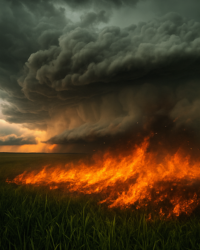
In rural communities, response begins immediately. Not because there is a formal plan, but because there is a need.
- Neighbors knock before sirens sound.
- Someone brings a chainsaw or a tractor.
- Someone else brings coffee, blankets, and extra hands.
- Churches unlock doors without asking who needs shelter.
Outside help may come later.
Local help comes first.
Led by volunteer first responders, neighbors, and local law enforcement, these efforts are organized not by policy, but by care. That care fills the gaps until systems can catch up.
The Quiet Realization That Comes After
When smoke clears, roads reopen, water recedes, snow and ice melts, another truth settles in.
Readiness costs something.
- Equipment wears out.
- Supplies disappear faster than expected.
- Training must continue long before the next emergency arrives.
Emergency fundraising exists for this reason. Not as a last resort, but as a way to sustain community readiness before help is needed again. Learn more by reading Online fundraising, and see why it can play a vital role for these reasons.
How Community Readiness Is Sustained
In many towns, fundraising is not flashy or far-reaching. It is familiar. It happens through shared effort and mutual trust. That monthly pancake breakfast, quarterly bake sale, annual chili cook-off, and even sometimes the urgent call for help when even preparation falls short.
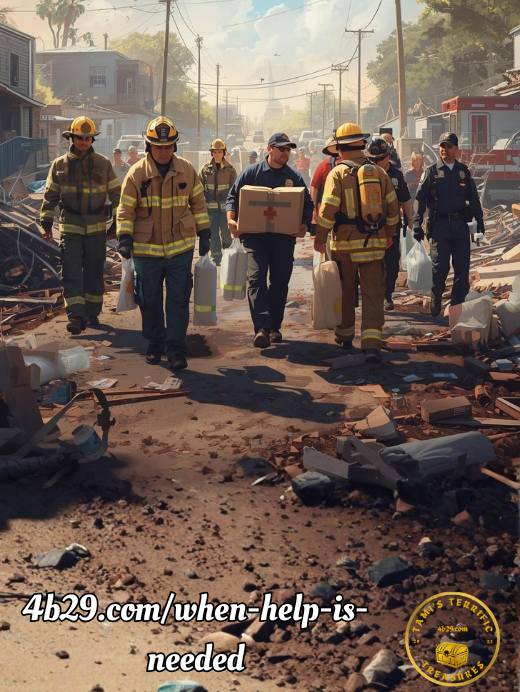
Online fundraising has become a practical extension of that tradition. It allows communities to raise support without pressure or spectacle, reaching beyond already-stretched local residents.
Emergency fundraising helps fund equipment, support training, and keep emergency services operational. It keeps radios working, gear safer, and supplies stocked so volunteer first responders can keep showing up when help is needed.
If you want to better understand how online fundraising supports real communities, here is a platform designed to do exactly that. Quietly, consistently, and without gimmicks. They exist so help is ready before it is needed again.
Why this Kind of Fundraising Works
Online fundraising fits rural communities because it respects how people give. It allows participation without spotlight and support without obligation. It strengthens sustainability rather than chasing urgency.
Preparedness does not need applause.
It needs consistency.
Over time, even small contributions turn into working equipment, safer response, and better outcomes. Nobody celebrates those moments. They simply feel the difference later, when response is faster and help arrives ready.
The Stories That Stay Quiet but Last
Most of these stories never make headlines. Some are barely acknowledged at all.
- A shelter stays open.
- Lights and heat stays on.
- A volunteer keeps answering calls.
- A department stays ready.
That is how resilience forms. Slowly. Repeatedly. Together.
Keep Learning How Help Continues
Emergency response does not happen by accident. It exists because people choose to sustain it. If these stories resonate with you, keep learning how help continues to strengthen the communities we all rely on.
Stay Connected

If you appreciate stories about real people and real communities, join our email list. You will receive updates about new services, products, and occasional giveaways as my global online community continue exploring what works. Just see the form on the right (on desktop or laptop computers) or below the article (on mobile devices).
Want to Reach Out?
Have a story to share or question to ask? We would love to hear from you. Visit our Contact Us page anytime