
Hidden Sugars in Wine: What’s Lurking in Your Glass? Many people assume wine is a simple, sophisticated drink. However, there’s a hidden ingredient that might shock you: sugar! While natural sugars from grapes contribute to the charm of wine, some winemakers add even more sugars during production. They do this to fine-tune flavors or boost alcohol content.
This practice can significantly change the character of the wine. It may lead to tastes that are overly sweet or disappointingly flat. Understanding these sweeteners helps you make healthier choices. It also helps you avoid extra calories and even prevent hangovers. Curious about what’s really in your glass? Let’s dive into the fascinating world of hidden wine sugars. (You can also find out the Truth About Wine Additives and Preservatives here!)
Hidden Sugars in Wine Production: How Sweeteners Are Added
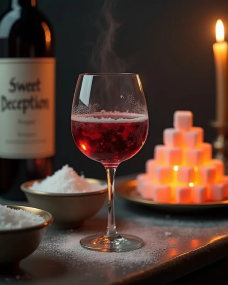
To truly understand hidden sugars, let’s start with the basics of winemaking. Grapes naturally contain sugar, and during fermentation, yeast eats that sugar and turns it into alcohol. But here’s the twist: not all the sugar gets used up. What remains is known as residual sugar (RS); and yes, even dry wine can have a little of it left behind. That leftover sugar adds sweetness, calories, and sometimes… a surprise headache the next day.
Wine 101: Where Sugar in Wine Comes From
In sweeter wines like Moscato or Port, fermentation might be stopped early on purpose to preserve more of that natural sugar. In other wines, sugar gets added back in after fermentation to tweak flavor or create a smoother finish. That’s where things start getting a bit sneaky, because even if it doesn’t taste sweet, it might still be sugar-loaded.
What Is Chaptalization and Who Still Does It?
Now let’s talk about a little-known practice called chaptalization. This is the practice of adding sugar to unfermented grape juice to boost the alcohol content. It’s commonly used in cooler wine regions like:
- France (certain parts of Burgundy and Champagne)
- Germany
- Austria
- Canada
Why? Because grapes in these chillier climates don’t always ripen fully, so they’re lacking the natural sugars needed for a strong fermentation. A little sugar helps bump up the alcohol and brings balance to the flavor.
But here’s the kicker, chaptalization is banned in warmer regions like California, Argentina, and southern Italy. Grapes in these areas usually ripen just fine, so instead of boosting alcohol, winemakers may add sugar later simply to soften bitterness and sweeten the flavor. It’s less about chemistry and more about customer appeal.
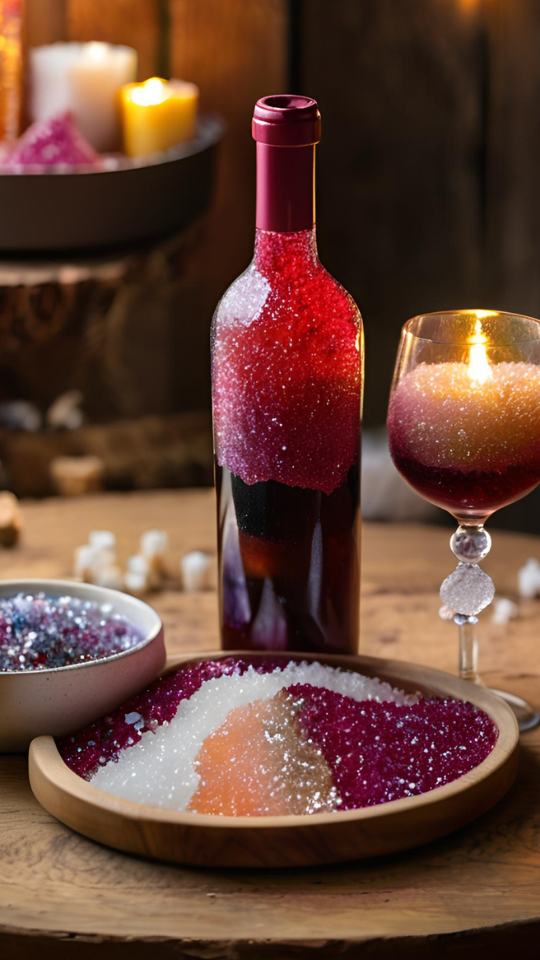
Why it matters: Wines that undergo chaptalization or post-fermentation sweetening may carry higher sugar loads, even if they taste dry. That means more empty calories, a bigger hit to your blood sugar, and yes… stronger hangovers.
Sweetness Tricks: Cold vs. Warm Climate Wines
In cooler regions, chaptalization helps tame tart, acidic grapes and gives the wine a smoother, more balanced profile. Without it, many of these wines would taste overly sharp or “green.” On the flip side, warm-climate winemakers use added sugar in a different way. They add sugar not to increase alcohol, but to enhance flavor and make the wine more palatable to the average drinker.
Whether it’s to fix acidity or mask bitterness, the end result is the same: added sugars aren’t always disclosed. And those sneaky sweeteners? They can mean extra calories, a spike in blood sugar, and a much rougher hangover than you bargained for.
Even wines that seem light and crisp could contain as much sugar as a frosted cupcake. Furthermore; unless you’re reading lab reports, you’d never know it.
Let’s talk numbers…
Wine might not come with a nutrition label, but sugar still sneaks into your glass, and in some cases, it’s more than you’d expect. Here’s a quick comparison of common wine types and their average sugar content per 5 oz serving:
Average Sugar in Popular Wines
| Wine Type | Sugar (g per 5 oz) | Notes |
|---|---|---|
| Dry Red (e.g., Merlot, Cabernet Sauvignon) | 0.9 – 1.5 g | Low sugar, dry finish |
| Dry White (e.g., Chardonnay, Pinot Grigio) | 1.0 – 2.6 g | Crisp with mild sweetness |
| Brut Champagne | 0.8 – 1.2 g | Very dry, minimal sugar |
| Off-Dry White (e.g., Riesling) | 3 – 6 g | Noticeable sweetness |
| Sweet Red (e.g., Lambrusco) | 6 – 10 g | Sweet and fruity |
| Dessert Wines (e.g., Port, Moscato) | 14 – 20+ g | Extremely sweet, high sugar |
Now, what does this mean for your sugar goals?
If you’re watching carbs, managing diabetes, or simply aiming to cut added sugars, that evening glass of wine might be more than a guilty pleasure. It could be a hidden sugar bomb. Dry reds and brut champagnes are your safest bet, while sweet wines and dessert varietals can sneak in nearly as much sugar as a chocolate chip cookie.
Personally? I learned the hard way that my go-to Moscato was packing more sugar than my morning oatmeal, no wonder I’d wake up groggy after just one glass. Once I made the switch to dry reds, not only did I feel better the next day, but I also noticed fewer cravings after dinner. Go figure!
Why Wine Hangovers Feel Worse Than They Should

Now let’s get personal for a sec. Ever wake up after just a glass or two of wine and feel like your head got hit by a freight train? Yeah… same. And no, you’re not being dramatic, there’s some sneaky science behind it.
Here’s the deal: when you drink wine, your liver is already working overtime trying to process the alcohol. But when you toss sugar into the mix; especially the hidden kind, things start to go sideways.
See, sugar slows down alcohol metabolism. That combo taxes your system harder, and the result? A trifecta of misery:
- Worse dehydration (alcohol and sugar are both diuretics)
- Inflammation overload (hello, puffy face and pounding head)
- Wild blood sugar swings (cue the hangover rollercoaster)
If you’re someone who’s sensitive to sugar, dealing with insulin resistance, PCOS, or migraines, this effect can hit even harder. Your body isn’t just processing the wine; it’s battling a secret sugar bomb you didn’t sign up for.
And the kicker? Even dry wines can do this if they’re sweetened behind the scenes.
Bottom line: it’s not always about how much you drank. But what was in the glass that can leave you wrecked the next day.
Health Risks of Hidden Sugars in Wine: Headaches, Calories, and Blood Sugar
That “extra glass” of wine might sound great at the moment. However, the next day’s headache hits hard. Sugar in wine often plays a role in those regrettable morning-after effects. Wines with higher sugar levels can have consequences that extend beyond flavor.
How Hidden Sugars in Wine Add Empty Calories
- Hidden Calories: Each gram of sugar adds approximately four calories. For those watching their caloric intake, that extra sweetness can add up quickly. It’s a sneaky way that wine can impact your diet without you realizing it.
Why Hidden Sugars in Wine Trigger Hangovers and Headaches
- Hangovers and Headaches: If you’ve ever wondered why certain wines hit you harder the next day, sugar could be a contributing factor. The combination of alcohol and sugar leads to dehydration. This dehydration is one of the primary causes of hangovers. Plus, sugary wines often have higher alcohol content, worsening these unpleasant symptoms. After a long week, nobody wants to ruin their weekend plans with a headache!
Blood Sugar Spikes from Hidden Sugars in Wine

- Blood Sugar Spikes: For anyone monitoring their blood sugar, knowing the sugar content in wine is essential. Hidden sugars can lead to faster glucose spikes. This makes it challenging to manage for those keeping an eye on their sugar intake. This information can be particularly important for individuals with diabetes. It can also be helpful for those trying to avoid the dreaded “sugar crash.”
How to Choose Lower-Sugar Wines and Avoid Hidden Sweeteners
Cutting back on sugar doesn’t mean you have to give up flavor! There are several low-sugar wines that can be chosen without compromising taste. Here’s how to pick a wine with a lighter sugar load:
Dry Wines Have Fewer Hidden Sugars
- Choose Dry Wines: Dry wines typically have less residual sugar than their sweeter counterparts. Varietals like Sauvignon Blanc, Pinot Noir, and Cabernet Sauvignon offer complex flavors with less sweetness. This allows you to indulge without the guilt.
- “Brut” and “Extra Brut” Sparkling Wines: If you’re in the mood for bubbles, look for sparkling wines labeled “Brut” or “Extra Brut.” These wines contain less sugar. “Extra Brut” is the driest option, making them perfect for special occasions without the sugar overload.
Natural and Organic Wines Often Contain Less Sugar
- Try Natural and Organic Wines: Natural and organic wines are surging in popularity for a reason. Many natural winemakers avoid adding sugar. Instead, they rely on the grape’s natural sweetness. Organic wines often have fewer additives. This gives you a more authentic taste that truly reflects the terroir.
- Go for Low-Alcohol Wines: Lower-alcohol wines can sometimes mean lower sugar levels. When winemakers add sugar, it’s often to increase alcohol. Opting for low-ABV (alcohol by volume) wines, like Vinho Verde or some Rosés, can be a great choice. This allows you to keep sugar levels down without sacrificing quality.
Dry vs. Sweet Wine Cheat Sheet
Ever ordered a “dry wine” thinking it meant no sugar… only to wake up foggy-headed and confused? Yeah, been there. Truth is, wine labels don’t always make it easy to know what’s really in your glass. So, here’s a quick cheat sheet to help decode the lingo and avoid getting sweet-talked by sneaky labels. (Hint: “Dry” doesn’t always mean low sugar.)
| Wine Term | Residual Sugar (g/L) | Taste Profile | Common Misconception |
|---|---|---|---|
| Bone Dry | 0 – 1 | Crisp, no detectable sweetness | Often believed to have zero sugar |
| Dry | 1 – 10 | Subtle or nearly undetectable sweetness | “Dry” doesn’t mean zero sugar |
| Off-Dry | 10 – 17 | Noticeably sweet but still balanced | Often confused with “sweet” wines |
| Semi-Sweet | 17 – 35 | Sweet, sugar is obvious on the palate | Sometimes labeled “medium” sweet |
| Sweet | 35+ | Dessert-level sweetness | Not just in dessert wines! |
Quick Tip: When in doubt, check the label or look up the wine’s residual sugar (RS) online. If you’re watching sugar or carb intake, sticking to dry or bone-dry wines is usually your safest bet. More over; even then, some hidden sugars can sneak through post-fermentation tweaks. Always good to sip smart.
Final Sip: Why Hidden Sugars in Wine Matter for Health and Taste
Wine is one of life’s simple pleasures. However, hidden sugars in wine production can sneak in and impact flavor, calories, and even your next-day experience. Want to learn more about what is hiding in your glass? Be sure to read about the colorants and other flavor enhancers that big producers add to their wines. Furthermore, making informed choices means you can enjoy wine without surprise calories or intensified hangovers. Thankfully, options like dry wines, brut sparkling varieties, and organic selections allow you to sip without the sugar overload.
So, raise a glass to smarter choices! Savor the full flavor of wine without those hidden sweeteners. Check labels, seek wines crafted with care, and prioritize quality. There are plenty of delicious low-sugar options available. They allow you to enjoy each sip with confidence and clarity.
Explore Further: In-Depth Articles
- Sulfites in Wine: Friend or Foe? An in-depth look at how sulfites keep wine fresh and the debate around their health impact.
- Hidden Sugars in Wine: Not all wines are sugar-free. Learn how hidden sweeteners affect taste and quality.
- Color and Flavor Additives in Wine: Discover why some wines look and taste better than others.
- Health Risks of Wine Additives: Get familiar with the potential health risks that come with common wine additives.
- Transparency in Wine Labeling: A guide to understanding wine labels and what’s missing on your bottle’s ingredient list.
Don’t just drink wine; discover a curated selection of fine wines delivered to your door. They are made for those who value taste and health. Embark on a journey through the world of quality wine. In this journey, every glass you pour is a smart choice for both your palate and well-being. Cheers to an experience that respects your taste and health!
Want to stay in the loop? Join our FREE email list at Tami’s Terrific Treasures to get insider tips, exclusive finds, and first dibs on treasures you won’t want to miss.
Have questions about any of our offers or services? I’d love to help! Just click here to reach out anytime.