
The dark side of beef, where the juicy allure of a perfect steak hides a world of unsettling truths. When we sink our teeth into that mouthwatering meat, few of us stop to ponder the unsettling secrets hidden beneath its surface. From crowded feedlots and shocking antibiotic use to growth hormones and even pink slime, the journey from pasture to plate is not as simple as it seems.
This article will shed light on the troubling practices that have become part of the U.S. beef industry, practices that most consumers would prefer to overlook. So, let’s pull back the curtain and dive into the murky depths of what really goes into our favorite cuts of meat and some unsettling truths about beef production.
The Beginning: From Birth to Feedlot
Calfhood Management: The Start of a Hard Life and the Dark Side of Beef
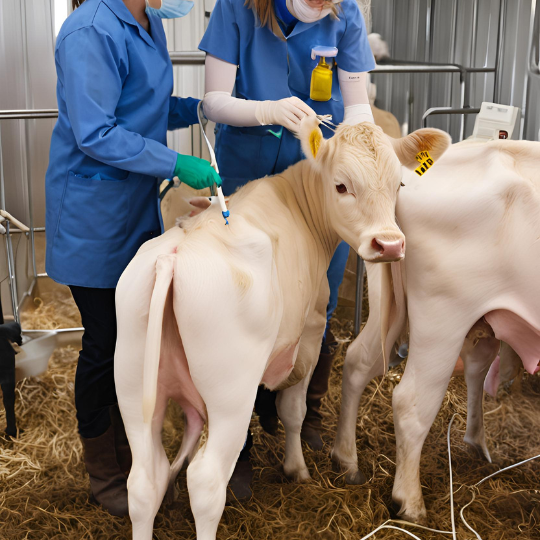
Every cows journey begins at birth; but for many calves that are processed through the U.S. beef industry, that’s just the beginning of a tough and often cruel life. Right from the moment they’re born, many are administered antibiotics to ward off diseases that thrive in overcrowded environments. Shockingly, about 80{4a5e5a2e2b0b98af46381ae0884771164d467135a0d22caa30ce70fef3b32d8d} of all antibiotics sold in the U.S. are used in livestock production, and cattle are often raised in harsh, cramped conditions. These conditions don’t just affect the animals, but also raise a major public health concern.
- Shock Factor: These young calves aren’t receiving just a little medicine; they’re being pumped full of drugs from the start. Overuse of antibiotics creates a serious issue of antibiotic-resistant bacteria, which is a huge threat to public health. The Centers for Disease Control and Prevention (CDC) warns is causing a major public health crisis. In fact, 2 million people in the U.S. are infected every year with antibiotic-resistant bacteria[1]. These infections are not only harder to treat but can also lead to longer hospital stays and increased healthcare costs.
The Hormonal Factor: Growth at What Cost?
Next up in the dark side of beef production they’re off to the grow yard or feedlot. This is where the majority of cattle receive synthetic growth hormones. Cattle are dosed with synthetic hormones like estradiol, progesterone, and testosterone to make them grow faster. This makes them grow faster and gain up to 3 pounds a day! While this helps speed up production, there are concerns about the long-term impact these hormones have on human health.
- Health Concerns: Although the FDA asserts that these hormones are safe, ongoing studies have linked them to an increased risk of certain cancers, including breast and prostate cancer. Exposure to these hormones, especially at a young age, can also disrupt human development and cause hormonal imbalances in adults. Research published in the Journal of Applied Animal Research found that exposure to estrogen from various sources could elevate breast cancer risk in women among other things [4].
The Life of Cattle in Feedlots: Cramped and Stressed
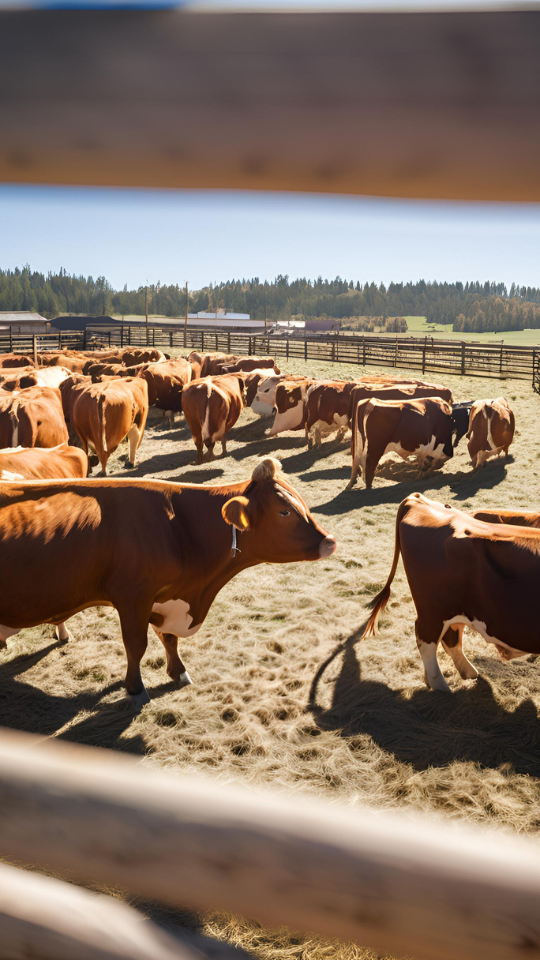
Grow yards and feedlots are where cattle spend most of their lives before slaughter, often living in conditions no animal should endure. Furthermore, most cattle spend their final months in feedlots and do not exceed 30 months in age! It’s a factory-like setting, where the animals live in their own waste, leading to immense stress and illness. Unsurprisingly, this increases the need for even more antibiotics.
- Shock Factor: The average feedlot houses 20,000 cattle at a time! These unsanitary and stressful conditions make disease rampant, and the solution is always more antibiotics[1]. Moreover, the cattle are also fed a grain-based diet that they’re not biologically designed to digest, often including corn and other grains. This unnatural diet leads to stomach problems, making them more susceptible to infections.
The Grain Problem: A Diet Disaster
Cattle are meant to graze on grass, but in modern feedlots, they’re fed a diet packed with grains. This not only messes with their digestion but can lead to painful conditions like acidosis, which happens when they consume too much grain. This unnatural diet can lead to bloating and even death.
- Impact on Humans: The dark side of eating beef from stressed and poorly fed cattle can lead to lower-quality meat. As well as, possibly expose you to harmful bacteria and chemicals used in the feedlot. The CDC has linked the consumption of meat from stressed animals to the transmission of pathogens like E. coli and Salmonella. These bacteria can be transmitted to humans, leading to severe foodborne illnesses [1].
The Controversial “Pink Slime”: What’s Really in Your Ground Beef?
Now, let’s talk about the infamous pink slime, officially known as lean finely textured beef (LFTB). This product is made from leftover beef trimmings. Then processed in a way that allows it to be added back into ground beef to make it leaner and cheaper.
- Production Process: What Goes Into Pink Slime?
Pink slime is made from the leftover bits of meat. These trimmings are treated with ammonium hydroxide or citric acid to kill pathogens! Resulting in a product that looks like a pinkish paste.
- Shock Factor: At its peak, pink slime was used in about 70{4a5e5a2e2b0b98af46381ae0884771164d467135a0d22caa30ce70fef3b32d8d} of ground beef sold in U.S. grocery stores. Furthermore, when you buy ground beef labeled simply as “beef,” you might be eating something with a significant amount of pink slime.
- Health Concerns and Controversy
The controversy surrounding pink slime began in 2012 when public outcry over its safety erupted. Many questioned whether it was safe to consume beef treated with ammonia. The World Health Organization has since classified processed meats, including those containing pink slime, as carcinogens. This means they can increase the risk of cancer.
- Impact on Humans: Studies have shown that consuming processed meats with fillers like pink slime can increase the risk of various health issues, including cancer. Also, according to the World Health Organization (WHO); processed meats, including those containing pink slime, are classified as Group 1 carcinogens. meaning they can cause cancer in humans [2]. Plus, the presence of ammonia may irritate your stomach and cause other digestive issues.
Additives and Preservatives: The Dark Side of Beef Dangers
Once the cows are slaughtered, the meat goes through several processes, including the addition of various preservatives and chemicals that keep it fresh but come with serious health implications. One such additive is known as beta-agonists.
Beta-Agonists: Performance Enhancers
Beta-agonists, like ractopamine, are drugs used to promote muscle growth and reduce fat. Moreover, these drugs may boost profits, but they also come with side effects to both cows and humans.
- Shock Factor: Cattle treated with ractopamine have shown signs of tremors and increased heart rates. Therefore; this raises concerns about animal welfare and possible health for humans. Furthermore, the FDA has approved the use of ractopamine, but several countries have banned it due to health concerns related to human consumption. Yet, it is still allowed in U.S. beef production!
Preservatives and Their Effects

In addition to growth drugs, did you know that beef is often treated with preservatives like nitrites and nitrates. With that being said; these chemicals are being added to maintain its color and prevent bacterial growth! However, when cooked at high temperatures, these chemicals can form nitrosamines, which are known carcinogens.
- Impact on Humans: Moreover, eating processed meats with these preservatives has been linked to higher risks of colorectal cancer and other health problems. There was a study published in the World Health Organization (WHO). In that study, they found that eating more nitrite-rich processed meats significantly increased the risk of colorectal cancer [2].
Slaughtering Practices: Not for the Faint of Heart
The slaughter process also leaves much to be desired, both ethically and from a health perspective.
- Inhumane Slaughter Conditions: Cattle are often not properly stunned before slaughter, leading to extreme stress and poor-quality meat, known as “dark-cutting beef”, negatively affecting meat quality.
- Shock Factor: Many slaughterhouses use methods that are not only cruel but can also compromise the safety and quality of the meat. Stressed animals produce meat that is tougher and less enjoyable to eat. Furthermore, stress hormones released during slaughter can change the flavor and texture of the meat [1].
- Carbon Monoxide Packaging: Once the beef is processed, it’s often treated with carbon monoxide to keep it red and looking fresh.
- Shock Factor: The USDA allows this treatment, so when you think you’re buying fresh meat, you might be getting something that’s been artificially preserved. While carbon monoxide is considered safe by regulatory agencies, it masks the true freshness of the meat, misleading consumers about its quality [1].
The Bigger Picture: Environmental and Health Impacts
Beyond the direct implications for your health, the environmental toll of large-scale beef production is massive. Thereby not only having an affect on you but also future generations.
Resource Drain
Raising cattle requires huge amounts of water and land. But when done in the right way it promotes not only healthier cows. Moreover, it also increases the health of the land.
- Shock Factor: It takes about 1,800 gallons of water to produce just one pound of beef when they are raised in the feedlots! With climate change becoming a big issue, the environmental impact of big beef production cannot be ignored. Plus, methane emissions from cattle significantly contribute to greenhouse gases, worsening global warming. (Because of this alone you may want to read more about Regenerative Farming!)
Public Health Concerns
Another dark side of the beef industry is the overuse of antibiotics and hormones in livestock. This can also be directly linked to the public health crises. The rise of antibiotic-resistant bacteria is one of the most pressing health threats in today’s society.
- Impact on Humans: Did you know eating meat loaded with these resistant bacteria can make you more vulnerable to infections that are tough to treat? Infections from antibiotic-resistant bacteria can lead to longer hospital stays, higher medical bills, and even more deaths [1].
Even Darker Side of Beef is the Health Concerns: Chemical-Laden Beef and Its Impact on Humans
- Chemical Residues in Meat: The chemicals used in beef production can stick around and pose risks to our health. Hormones and antibiotics can linger in the meat, leading to unintended consequences when we eat it.
- Long-Term Effects: Eating hormone-laden beef regularly has been linked to developmental issues in kids, like precocious puberty (early puberty). Research has suggested that early exposure to estrogen from beef can disrupt our hormones and lead to imbalances in both boys and girls [3].
- Gut Health and Microbiome Disruption: Eating beef treated with antibiotics can disrupt our gut microbiome, which is the community of microorganisms living in our digestive systems. This can lead to various health problems, such as:
- Increased Risk of Obesity: Changes in gut bacteria can affect how our bodies regulate weight and might contribute to obesity.
- Digestive Disorders: An imbalance in gut flora can result in digestive issues like irritable bowel syndrome (IBS) and other gastrointestinal problems.
- Autoimmune Diseases: A disrupted microbiome has been linked to the rise of autoimmune diseases and allergies, as a healthy gut is crucial for proper immune function [2].
- Cardiovascular Health Risks: Regular consumption of red and processed meats has been linked to an increased risk of cardiovascular diseases. High saturated fat content in beef can lead to elevated cholesterol levels and heart problems.
- Shocking Stats: Research shows that people who eat more red and processed meats have a significantly higher risk of heart disease and stroke. The American Heart Association recommends cutting back on red meat to improve heart health.
In My Humble Opinion: Beefing Up Your Awareness
The U.S. beef industry has hidden more than we’d like to think. From antibiotics and hormones to pink slime and questionable slaughtering methods, there’s a lot going on behind the scenes. But don’t despair; you can take action to protect your health and support ethical practices by choosing grass-fed, organic, and hormone-free beef.

We need to cut out All processed foods! We need to get to know our neighbors; as well as, our local farmers and ranchers. Find out what their crop and herd practices are and what they are doing with their products. Then start supporting those in your area that align with your beliefs. (Why do you think everyone wants Amish products? Stop and think about that one for a minute.) You will also want to look for those who believe in the Sustainable Beef Revolution! (Read more here!)
The big food producers of all kinds are putting additives and preservatives in everything we eat. Furthermore, we as a society have become sicker and fatter in the last 20-30 years. Take a minute and look around, we are less physically active but busier. We complain about the rising cost of groceries but we buy more processed foods or fast foods than we did 20-30 years ago.
I know for my sister and I; when growing up, getting to eat out was an unexpected treat. Reserved for special occasions or while traveling. We had a few TV dinners or cans of Chef-boy-ardee in the pantry but that was for nights mom and dad had to work late. Or maybe for a quick bite before running out the door to catch a bus for a school activity. However, even the recipes on the “convenience” items of 30 years ago have changed. If you don’t believe me stick around. I will be diving deeper into the underbelly of the big food producers in the coming months.
Conclusion: Beefing Up Your Awareness
The U.S. beef industry is hiding a lot under the surface; from antibiotics and hormones to pink slime and shady slaughter practices. These factors don’t just affect the cows; they affect us, too. Read more about the Basics of U.S. Beef Production here.
So what can you do? Look for grass-fed, organic, and hormone-free beef whenever possible. By being mindful of what you eat, you can protect your health and take a stand against the harmful practices that make up much of the beef industry today. Want to get the best beef on the market that I have found go check out Delectable World of Nutrient Dense Beef!
Stay Informed and Beef Up Your Knowledge!
Want to learn more? Come back often to see what we uncover in new insights, tips, and tools and add to this site!

Believe me, we’re always researching, testing, and adding new finds—so don’t miss out! Have Questions? Reach out anytime about this or any other offers!
Sources:
- Centers for Disease Control and Prevention (CDC): Antibiotic Resistance Threats in the United States.
- World Health Organization (WHO): Carcinogenicity of the Consumption of Red Meat and Processed Meat.
- Journal of Clinical Endocrinology & Metabolism: Hormonal Factors and Breast Cancer.
- Journal of Applied Animal Research, 50(1), 426–439. Safety and concerns of hormonal application in farm animal production: a review.
Credible Sources for Further Reading
- U.S. Food and Drug Administration (FDA): Steroid Hormone Implants Used for Growth in Food-Producing Animals
- World Health Organization (WHO): Processed Meat and Cancer