
So, let’s talk about the health risks of wine additives, shall we? Wine is often celebrated for its flavor, relaxation factor, and social appeal. If you’re anything like me, enjoying a glass of wine after a long day feels like a mini celebration. But have you ever paused mid-sip and wondered, “What else is hiding in this bottle?” Between flavor enhancers, color boosters, and shelf-life extenders, commercial wines often contain additives that might be doing more than just tweaking taste. They could be affecting your health.
But when it comes to what’s hidden in each sip, there’s a lot that might surprise you. (Click this link to learn more Truth About Wine Additives.) While these substances might improve consistency and extend shelf life, they also come with some sneaky health risks.
Why Big-Brand Wines Use Additives
When I first learned that my favorite supermarket red was loaded with more than fermented grapes, I felt a twinge of betrayal. But the reality is: large-scale producers rely on additives to deliver consistency, color, and cost savings across millions of bottles.
- Uniform flavor & texture: Chemicals like synthetic enzymes ensure every batch tastes the same.
- Shelf-life extension: Preservatives such as DMDC (Dimethyl Dicarbonate) ward off unwanted yeasts and bacteria.
- Visual appeal: Color enhancers like Mega Purple deepen hues for that “wow” factor on the shelf.
While these tricks might give us picture-perfect wine, they also introduce a host of compounds that some of us would rather avoid.
Short-Term Reactions to Common Wine Additives

For large-scale wine producers, the goal is often to ensure every bottle in a batch tastes the same. But achieving this means using additives to perfect each batch, creating uniformity in flavor, color, and even texture. These big-production practices may enhance taste but bring added baggage. Some additives can trigger allergies, irritate the gut, or cause other side effects. Let’s dive into a few specific additives and how they impact health.
DMDC (Dimethyl Dicarbonate):
DMDC is a chemical used by large wineries to keep bacteria and yeasts in check, but it can also lead to stomach issues for sensitive drinkers. If you’ve ever sipped wine only to end up with stomach pains, it might not be the alcohol alone. It could very well be the DMDC.
- Purpose: Kills bacteria and controls wild yeasts.
- Possible Reactions: Stomach pains, nausea, even mild gastritis in sensitive sippers.
- Personal Note: I once blamed a headache on overindulgence; only to learn it was a DMDC sensitivity.
PVPP (Polyvinylpolypyrrolidone):
This chemical is used to clarify color but can cause reactions in sensitive people. For some, that beautiful glass of red could lead to hives, sneezing, or skin irritation. It might look smooth, but PVPP isn’t for everyone.
- Purpose: Clarifies color and removes polyphenols.
- Possible Reactions: Hives, skin irritation, sneezing fits.
- Tip: If you wake up with itchy palms after a bottle of red, PVPP could be the culprit.
Synthetic Enzymes:
These enzymes stabilize flavors but may upset digestion in some people. Ever felt bloated after a glass? Enzymes could be part of the problem.
- Purpose: Stabilize and enhance flavor profiles.
- Possible Reactions: Bloating, gas, general digestive discomfort.
- Quick Fix: Swap to wines labeled “no added enzymes” to see if your tummy thanks you.
Short-lived though they may be, these reactions are your body’s red flags. But what happens when additives pile up over weeks, months, or even years? Well, let’s look at the possible long-term effects of consistently drinking wines made with these types of additives.
Long-Term Health Risks of Wine Additives
The short-term reactions to these wine additives are noticeable, but what about the effects that don’t show up right away? Especially for people who enjoy a glass daily, are there potential long-term impacts from wine additives used in commercial winemaking?
And because large wine brands rarely list specific additives beyond sulfites, most people don’t realize what’s in their glass.
I used to think a nightly glass was harmless. That was until I dug into studies suggesting chronic exposure to synthetic wine additives may;
- Disrupt gut flora: Altered bacterial balance can affect immunity and nutrient absorption.
- Trigger new allergies: You could develop sensitivities you never had before.
- Contribute to inflammation: Ongoing low-grade inflammation is a known precursor to chronic diseases.
Because most wineries only disclose “sulfites” on labels, we’re often in the dark about which chemicals we’re sipping nightly. Over time, that mystery cocktail could mean more than just a hangover. It could mean gut imbalances, skin issues, or headaches even when you skip the booze.
This lack of transparency means many drinkers are in the dark about what they’re consuming. Sensitive individuals may unknowingly experience reactions from unidentified wine additives. The next time you sip your favorite brand, remember that a lot more could be going on behind the scenes than just grape fermentation.
With potential health stakes this high, it pays to know exactly which additives to watch for, and how to avoid them. So, let’s focus on the most concerning additives in big-brand wines.
Wine Additives to Watch For
Commercial wine production involves using a range of additives, but here are some that health-conscious wine drinkers should look out for:
Top Wine Additives to Watch
| Additive | Why It’s Used | Health Concerns |
|---|---|---|
| Sulfur Dioxide | Preservation, color stabilizer | Asthma attacks, hives, headaches |
| Mega Purple | Color enhancement (grape concentrate) | Extra sugar, tooth staining, worse hangovers |
| Ultra Red | Deepens red hues | Same as Mega Purple |
| Commercial Yeasts | Accelerate fermentation control | Histamine spikes → headaches, allergy flares |
- Sulfur Dioxide: Widely used for preservation. For sensitive individuals, even a small amount may lead to hives, stomach pain, or headaches.
- Mega Purple and Ultra Red: Grape juice concentrates like these deepen wine’s color but add extra sugar.
- Commercial Yeasts: Commercial yeasts speed up fermentation, but for people sensitive to histamines, may lead to headaches or allergy flare ups. Natural yeasts are present in grapes, but commercial brands use additives to control the process.
Tip: Look for labels that say “no added sulfites” or “native yeasts only” if you suspect sensitivity.
With that being said, by focusing on a uniform product, big wine companies rely on additives that could turn a delicious glass into an unpleasant experience for some. All these hidden chemicals raise a bigger problem: wine labels rarely tell the full story. (Learn more here about: Wine Label Transparency)
Why Wine Labels Don’t Tell the Whole Story
Ever tried reading a wine bottle like you would a food label? Wine labeling laws only require disclosure of sulfites; everything else (colorants, clarifiers, acidity regulators) can stay off the ingredient list. That means:
- No full ingredient list
- Limited allergen warnings
- No idea of total sugar or additive content
For those of with sensitivities or keen health goals, that lack of transparency turns wine shopping into a guessing game.
The Labeling Problem
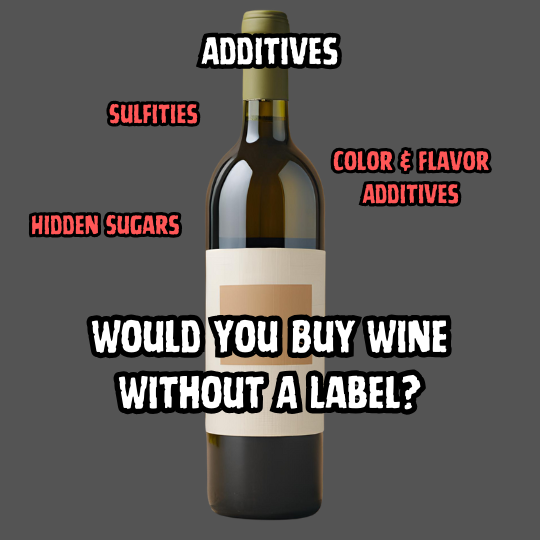
So, here is the problem, unlike food labels, wine doesn’t have an ingredient list, leaving consumers in the dark. When you buy a snack, you can read the label, spot potential allergens, and decide if it’s right for you. But with wine, only sulfites are generally disclosed, and there’s no clear breakdown of other additives. This can leave wine lovers playing a game of chance with their health. (Read more about wine labels here: Wine Label Transparency)
For people with specific allergies or sensitivities, this makes choosing wine harder. So, if you’re tired of wondering what’s really in your glass, the good news is that there are cleaner options. Let’s look at how you can avoid the additives common to commercial wines by seeking out smaller-scale or natural winemakers.
Cleaner, Healthier Wine Choices
To enjoy wine without the hidden risks, there are alternatives to mainstream brands. With a little know-how, you can find wines that skip the sneaky additives.
After dozens of tastings and label-scouring, here are my go-to strategies for enjoying wine minus the mystery ingredients:
- Opt for Organic or Biodynamic Wines
- Why it helps: No synthetic fertilizers, pesticides, or most artificial additives.
- What to look for: “USDA Organic,” “Demeter Certified Biodynamic.”
- Seek Out Natural Wine Producers
- Why it helps: Small-batch focus means minimal intervention; often just grapes and native yeasts.
- What to look for: Labels that say “Unfined,” “Unfiltered,” or “No added sulfites.”
- Ask Your Local Wine Shop
- Why it helps: Knowledgeable staff can point you to low-additive gems and small-winery imports.
- Pro tip: Bring your list of sensitivities and let them guide your tasting.
- Read Independent Wine Apps & Blogs
- Why it helps: Some apps crowdsource additive info so you can filter by “no DMDC” or “no colorants.”
So in Conclusion: Sip Smarter, Live Healthier
What are the most common wine additives?
The most common include sulfur dioxide (preservative), DMDC (microbial control), PVPP (clarifying agent), commercial yeasts, and color enhancers like Mega Purple.
How can I read wine ingredient labels?
Unlike food, wine bottles don’t list all ingredients. Look for terms like “no added sulfites,” “organic,” “biodynamic,” or “natural wine” to avoid common additives.
Which wine additives cause headaches?
Histamine-triggering commercial yeasts and sulfur dioxide are often behind wine headaches. Try natural or low-sulfite wines to see if your symptoms improve.
How do I find wines without synthetic enzymes?
Search for “no enzyme added,” “native yeasts only,” or consult specialty wine retailers who can verify production methods.
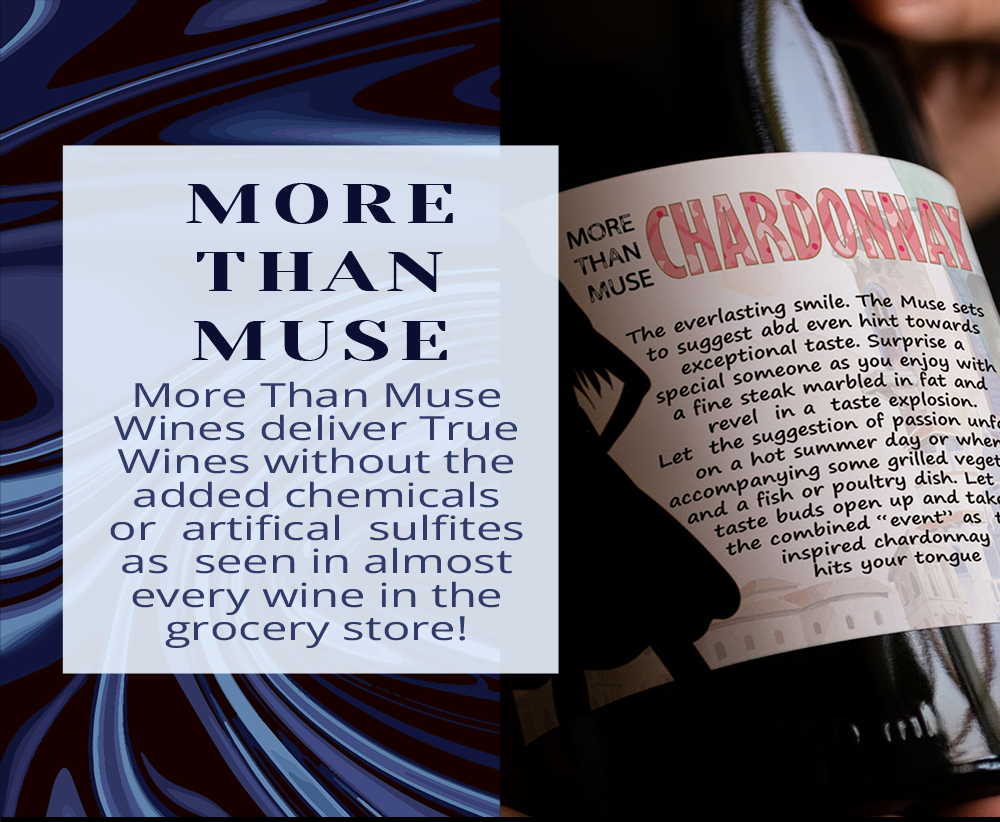
The practices of big wine producers might help a bottle last longer or look more appealing, but they also introduce health risks. Choosing wines from organic, biodynamic, or natural sources can help you avoid these risks. So, the next time you shop for wine, remember: mindful choices make for a healthier, more enjoyable experience.
Navigating the world of wine additives can feel overwhelming, but armed with knowledge, and a trusty list of organic, biodynamic, and natural producers, you can transform each glass into a truly guilt-free pleasure.
Want to explore a boutique collection of fine wines from the heart of wine country? Discover more about our Exclusive Napa & Sonoma Valley Wines and elevate your wine experience. Don’t miss out on exclusive insights, health tips, and more!
Sign up for our FREE e-newsletter today! Stay informed, stay healthy, and sip with confidence.