
Have you ever wondered how color and flavor additives in wine affect what’s really in your glass?
It’s tempting to think that color and flavor additives in wine are pure products of nature and the vineyard. However, in reality, large-scale wine producers often rely on additives. They use these to create consistency, enhance flavors, and perfect the appearance of each bottle. Unfortunately, additives are not just harmless enhancements; they can introduce sugars, chemicals, and compounds that affect health. So, let’s learn more about the Truth About Wine Additives and Preservatives. Here’s a closer look at how the most common color and flavor additives impact health and taste.
Color Additives in Wine: From Ruby Red to Deep Purple
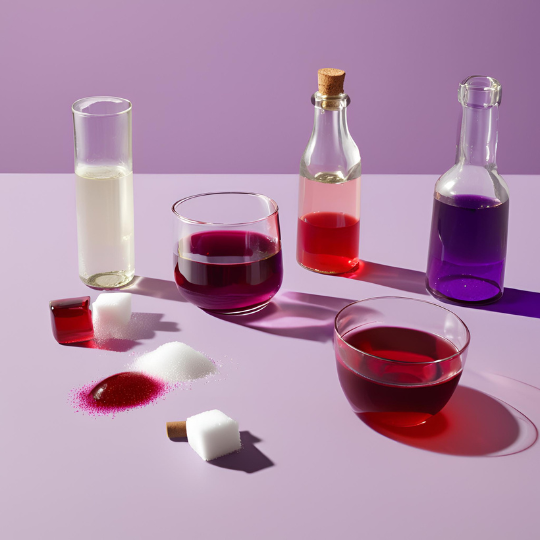
When we picture wine, it’s often a rich, ruby red or a dark purple hue. However, in large-scale production, these colors don’t always come straight from the grape. Wine colors are often enhanced with colorants, which ensure each bottle looks appealing and consistent. While safe for consumption in regulated amounts, colorants come with health implications. They might also change your perception of what’s really in your glass.
Mega Purple: The Sweet, Deep Hue
Mega Purple is a widely used grape concentrate derived from Rubired grapes. This syrup darkens a wine’s color dramatically with only a tiny amount. However, it also adds sweetness. Mega Purple smooths out inconsistencies and creates uniform taste in wines that may lack complexity or character. However, it also adds sugar, which can spike blood sugar levels. When combined with alcohol, this can lead to harsher hangovers.
🚨 Health Impact: Sugar Overload from Mega Purple
Though grape-derived, Mega Purple’s sugar content can pose a real issue for those watching their caloric or sugar intake. Over time, sugar-heavy wines may contribute to weight gain, metabolic problems, and insulin spikes, a sweet risk not worth sipping.
Ultra Red and Other Additives in Wine: Visual Appeal at a Cost?
Ultra Red, another popular color enhancer, is known for its intense staining properties. While it may create a striking wine color, it can also leave residues on teeth. It may even mask the wine’s true flavor. With Ultra Red, wines can taste almost the same bottle to bottle, which many drinkers feel lessens the experience.
🚨 Health Impact: Ultra Red Sugar Risks
Ultra Red can introduce sugars that contribute to tooth decay and blood sugar spikes. These additives may also mask the wine’s true character, detracting from its natural essence.
Anthocyanins: The Natural, Yet Overused Additive in Wine
Anthocyanins, naturally occurring in grape skins, give red wines their vibrant color. While these compounds are safe and contain antioxidants, they’re often extracted and concentrated for intense color. This can cover up a wine’s unique flavor profile, creating a more generic taste across wines.
🚨 Health Impact: Anthocyanins and Sensitivities
Overuse of anthocyanins doesn’t pose significant health risks for most. However, those with sensitivities may experience mild allergic reactions or digestive issues. Lack of transparency on labels means drinkers may unknowingly consume concentrated additives.
Flavor Additives in Wine: Enhancing Taste at a Cost
Flavoring agents are also used in mass wine production to standardize taste and create a reliable product year-round. From oak flavoring to artificial sweeteners, these enhancers can make a wine more accessible to the general palate but can also have some less desirable health effects. If you want to learn more about the Health Risks of Wine Additives you can go here.
Oak Flavoring Additives: Simulating Barrel Aging

Oak flavoring additives, used to mimic the rich characteristics of barrel-aged wines, are generally not harmful but often lack the depth and complexity of natural oak aging. These synthetic flavorings, typically made from oak chips or extracts, can result in a more one-dimensional taste that may not satisfy wine enthusiasts who appreciate the nuances of a traditionally aged wine.
For those sensitive to artificial flavors, synthetic oak can cause mild headaches or digestive issues. While the flavor is cheaper to produce, it often leads to a less rounded, more artificial tasting wine. Additionally, these wines miss out on the smooth, evolving flavors that come from natural barrel aging, such as subtle vanilla, caramel, and spice notes.
Although wines with oak flavoring are more affordable, authentic barrel-aged wines are worth the extra cost. They offer natural complexity and a deeper, more enjoyable taste that artificial oak flavors simply cannot replicate, making them the preferred choice for many wine connoisseurs.
🚨 Health Impact: Oak Flavoring and Synthetic Tastes
Oak flavoring isn’t necessarily harmful but can make wine taste synthetic. For those sensitive to artificial flavors, it can lead to mild headaches or digestive issues. Authentic oak barrel-aged wines may cost more, but they offer a natural depth that synthetic flavors can’t replicate.
Artificial Sweeteners: Sweet Taste, Lingering Health Risks
Some wines, particularly those produced in large quantities, incorporate sweeteners to appeal to a broader audience. These sweeteners can range from natural options like added grape juice to artificial ones like high-fructose corn syrup or sucralose. By adding sweetness without significantly changing the calorie count, these ingredients make wines more approachable to people who prefer sweeter flavors. This can help the product stand out in a crowded market, making it more desirable to those who enjoy a sweeter sip.
However, the use of artificial sweeteners may pose health risks that many consumers overlook. These sweeteners often provide a sweet taste without the calories but can cause side effects, particularly for individuals with sensitivities. The long-term consumption of these additives, especially when paired with alcohol, can lead to disruptions in digestion and unpredictable spikes in blood sugar levels. For those who are cautious about what they consume, it’s essential to be mindful of the potential effects these sweeteners could have on their overall health.
🚨 Health Impact: Artificial Sweeteners
Artificial sweeteners may disrupt digestive health, causing bloating, gas, or headaches. They can also impact blood sugar levels unpredictably when consumed with alcohol. For those wanting to avoid additives, choosing wines without added sweeteners may help avoid these potential issues.
Acid Blends: The Chemistry of Balance
Natural acidity in grapes usually includes tartaric, malic, and citric acids, which give wines their signature tang. To balance inconsistencies, some producers add acid blends to regulate the wine’s pH, giving it a bright “fresh” flavor even when the grapes weren’t perfect.
🚨 Health Impact: Acidifiers in Wine
While acidifiers are generally safe, they can sometimes create a synthetic taste that some find unpleasant. Individuals with acid reflux or sensitive stomachs may find the added acidity exacerbates discomfort, causing digestive distress.
Dimethyl Dicarbonate (DMDC): A Powerful Preservative
DMDC is a chemical preservative added just before bottling. It prevents microbial growth and keeps wine stable on store shelves. While DMDC breaks down into harmless components, it’s a potent chemical that can make wine less appealing to some drinkers.
Health Impact: Though safe after breaking down, DMDC can still provoke digestive upsets and mild headaches in people sensitive to preservatives. Health-conscious drinkers might prefer wines that avoid this treatment, even at a higher price point.
🚨 Health Impact: DMDC Sensitivities
Though safe once broken down, DMDC (dimethyl dicarbonate) can still provoke digestive upsets and mild headaches in individuals sensitive to preservatives. Health-conscious drinkers may choose to avoid wines treated with this additive, even if it means paying a little more.
Lack of Label Transparency: Hidden Additives in Wine
In the United States, wine labels aren’t required to list ingredients as food labels do. This lack of transparency means that drinkers have no idea what color and flavor additives are used. People with sensitivities to sugars, sulfites, or artificial flavorings might unknowingly consume compounds that can lead to headaches, digestive issues, or allergic reactions. When choosing wine, consumers lack a clear understanding of what they’re drinking.
🏷️ Advocating for Clear Wine Labels
Unlike food, U.S. wine labels don’t have to list ingredients or additives. This lack of transparency leaves health-conscious drinkers guessing.
Explore the push for honest labeling 👉 Transparency in Wine Labeling
Finding Additive-Free Wines
For those seeking a more natural wine experience, organic, biodynamic, or natural wines are excellent options. These wines are crafted with minimal intervention and avoid color and flavor additives, letting the grape’s true character shine. Smaller vineyards and artisanal producers are also more likely to prioritize authenticity, creating an unadulterated wine experience.
Conclusion: Wine with Awareness
Exploring hidden color and flavor additives in mass-market wines helps us understand what’s in each glass. Additives like Mega Purple, Ultra Red, and flavor enhancers create appealing products, but they can also mask a wine’s true taste. They introduce sugars and preservatives that impact health. For those who value authenticity and a cleaner drinking experience, wines with fewer additives offer a more genuine connection to the vineyard. Cheers to enjoying wine with a touch of knowledge!
Now that you know the Truth About Wine Additives and Preservatives, you’re set to make smarter, tastier, and healthier choices. Want to explore the world of fine wines? Having the right information makes all the difference.
Explore Further: In-Depth Articles
- Sulfites in Wine: Friend or Foe? An in-depth look at how sulfites keep wine fresh and the debate around their health impact.
- Hidden Sugars in Wine: Not all wines are sugar-free. Learn how hidden sweeteners affect taste and quality.
- Color and Flavor Additives in Wine: Discover why some wines look and taste better than others.
- Health Risks of Wine Additives: Get familiar with the potential health risks that come with common wine additives.
- Transparency in Wine Labeling: A guide to understanding wine labels and what’s missing on your bottle’s ingredient list.
For more tips and insights, check out a few other pages:
- Magic of Wine: Uncover wine’s incredible versatility, from pairing tips to relaxation benefits.
- Explore Fine Wines Delivered to Your Door: Dive into an exquisite collection of high-quality wines that elevate any occasion.
- Exclusive Napa Sonoma Wines: Get insider access to truly exceptional wines from legendary Napa and Sonoma vineyards.
Want to stay in the loop? Join our FREE email list at Tami’s Terrific Treasures to get insider tips, exclusive finds, and first dibs on treasures you won’t want to miss.
Have questions about our wine or any of our other offers? I’d love to help! Just click here to reach out anytime.